

Webinar Description
Key Takeaways
- Presents a 10-rung sequential framework for AI security, from shadow AI discovery through autonomous remediation
- Addresses unapproved AI deployments, model provenance verification and agent tool access controls
- Covers application security concerns including prompt injection, jailbreaks and the OWASP LLM Top 10
- Examines endpoint AI risks from browser extensions, local models and unmanaged assistants
- Aimed at security professionals managing AI governance, compliance and runtime controls
About the Session
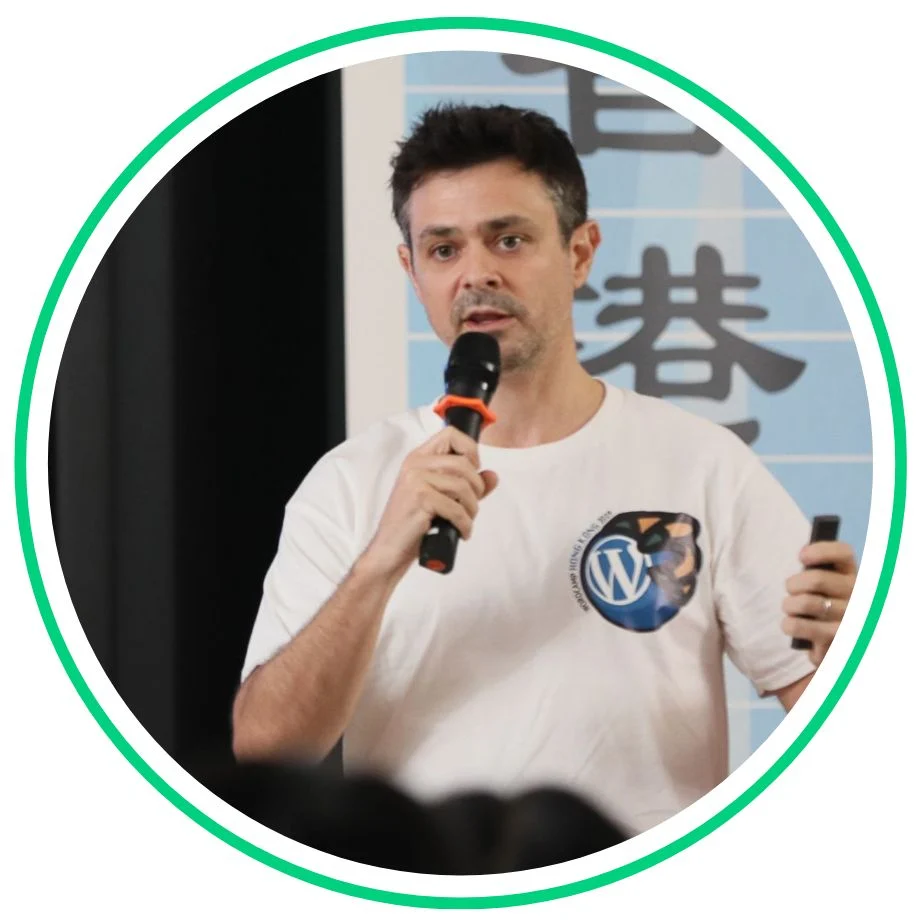
This webinar introduces a structured approach to AI security through a 10-rung framework designed to address the full lifecycle of AI risk management. Venkat Pothamsetty, Co-Founder and CTO of Transilience AI, presents each rung as a sequential dependency: skipping any step compromises the effectiveness of subsequent controls.
The session forms part of a 26-part series on AI-powered cloud security, co-produced by Network Intelligence and Transilience. It functions as a standalone presentation requiring no prior sessions.
The 10 Rungs of AI Security
The framework begins with shadow AI discovery, requiring every model, agent and tool to have an assigned owner before it can be recognised within a security programme. This inventory then supports governance requirements, providing the evidence auditors need rather than policy documentation alone.
Model provenance addresses supply chain concerns: tracking sources, licences, version changes and the capabilities a model file gains upon loading. The fourth rung separates application security from model security, recognising that the wrapper around a model creates its own attack surface, including injection vulnerabilities, jailbreaks and risks catalogued in the OWASP LLM Top 10.
Data exposure focuses on information staff paste into AI tools, tracking what data reaches which systems and with what permissions. Configuration and identity examines who and what can call AI services, including default settings and credentials that remain unrotated.
Agent security addresses the risk of AI agents with tool access, specifically the permissions and approval workflows (or lack thereof) governing their actions. Runtime controls shift from periodic reviews to live inspection of each request without introducing noticeable latency.
Endpoint AI covers models running on laptops and phones outside network boundaries, including browser extensions, local models and unmanaged assistants that bypass server-side controls. The final rung, autonomous remediation, moves beyond detection to automated fixes that execute without waiting for human intervention.
Who Should Attend
Security architects, governance professionals and IT leaders responsible for AI deployments will find this framework relevant. The session suits organisations grappling with unregistered AI tools, compliance evidence requirements or the challenge of securing AI agents with autonomous capabilities.